I help teams shape interactive experiences from multiple angles: concept framing,
AI-driven behaviors and interactions, real-time development, UX/UI design, and
prototypes that make the idea clear before production gets expensive.
01INTERACTIVE
AI-Powered Experiences
UX/UI Design
Real-Time Development
Focus
AI-powered interactive experiences, development, and UX/UI shaped as one connected audience journey.
Approach
Decisions tied to clarity, engagement, technical reality, and what the team can actually deliver well.
Output
Concept framing, prototypes, implementation support, and interfaces that stay aligned with the intended experience.
About
Designing for interaction means designing for response, rhythm, and clarity.
My work sits between concept, interaction design, implementation, and interface. I
care about whether the core idea is strong, whether it survives production
constraints, and whether the final experience still feels deliberate, readable, and
worth staying in.
What I usually help with
Framing interactive concepts for launches, demos, branded touchpoints, or product showcases.
Designing or tightening flows, interaction systems, and audience-facing structure.
Building prototypes and development-ready experiences in Unity or interactive web formats.
Adding AI-driven interaction logic when the experience benefits from adaptation, responsiveness, or generative behavior.
Improving UX/UI when the experience needs stronger clarity, feedback, or pacing.
What that means in practice
Stronger concepts before production starts getting expensive.
Cleaner prioritization between interaction, technology, visual direction, and scope.
Faster iteration because ideas become testable much earlier.
A more coherent result where interface, systems, and implementation support the same direction.
Services
Support built for projects that need design thinking, production sense, and hands-on execution.
I can plug into an existing team, shape an experience from zero, or tighten a
concept that already looks strong but still needs better interaction and clearer UX.
01
Real-Time Development
Prototypes, interactive builds, feature support, and development-minded execution
for experiences that need to move quickly from idea to something tangible.
Interactive prototypes and feature implementation
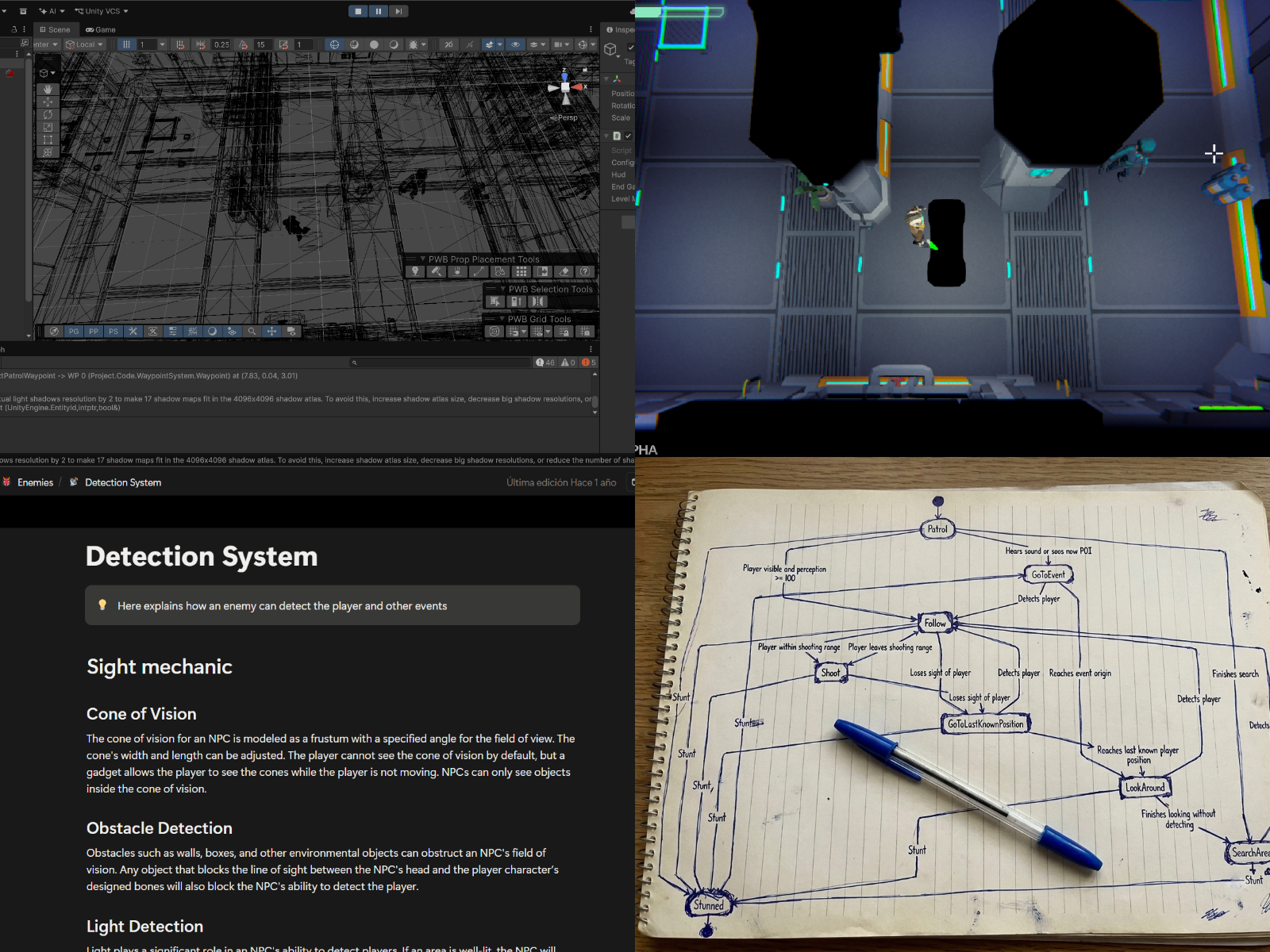
AI-powered interaction behaviors and responsive systems
Unity support across systems and interaction layers
Technical thinking embedded early in design decisions
02
Interactive Experience Design
Experience framing, audience flow, and system structure designed around attention,
clarity, and what the team can realistically deliver well.
Experience framing and engagement flow
Interaction logic and feature prioritization
Pacing, clarity, and response design
03
UX/UI Design
Interface, hierarchy, interaction flows, and audience-facing clarity for
experiences that need the UX/UI layer to guide attention instead of competing with it.
Onboarding and first-use flow
Navigation, feedback, and information hierarchy
Interaction patterns, wireframes, and UI direction
Selected Experiences
Different formats, same standard: easier to enter, stronger to stay in.
Development
Real-time builds, AI behaviors, and interactive implementation
Prototype logic, technical support, and AI-driven interaction systems that keep concepts moving.
Experience Design
Flows, systems, and audience-facing structure
Experience framing built to make the core interaction stronger, clearer, and easier to scale.
UX/UI Design
Clarity, guidance, and interface direction
Readable interfaces and interaction patterns that support the experience instead of slowing it down.
Featured Case Study
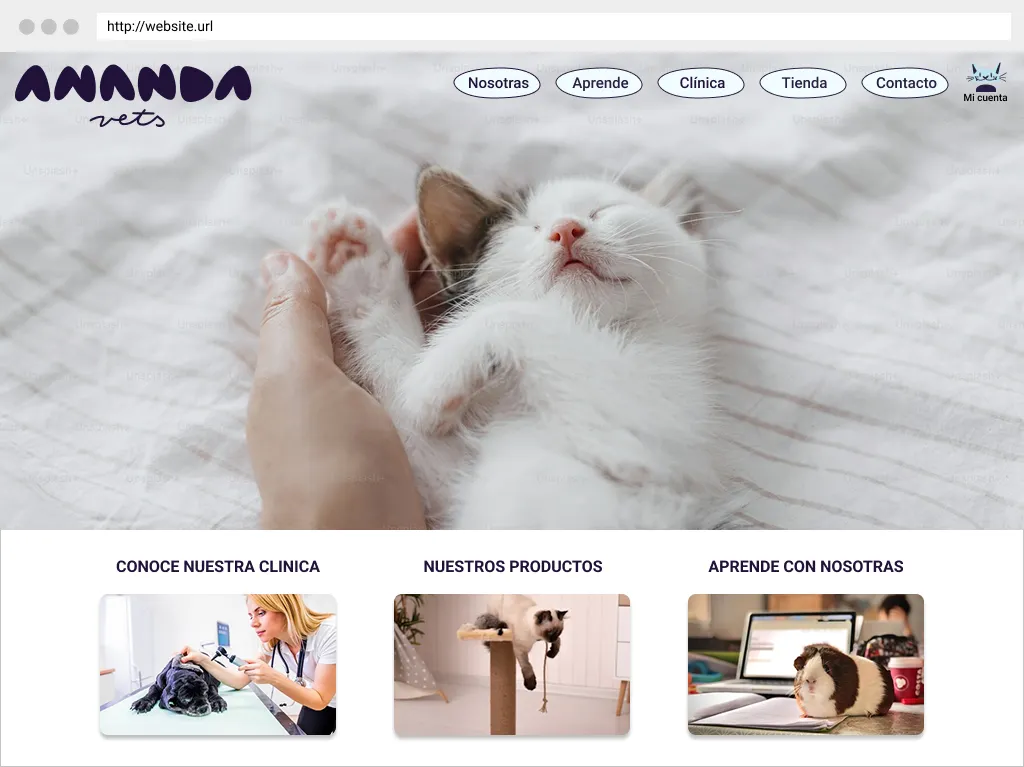
Designing trust, clarity, and calm decisions for a local veterinary clinic.
A UX/UI case study about helping a neighborhood clinic go digital without losing
the sense of proximity, professionalism, and reassurance that clients already
trusted offline.
Research used to understand hesitation, trust, and digital anxiety.
Structure shaped before visuals so clinic, shop, and content could coexist clearly.
UX/UI decisions designed to guide users instead of pushing them.